Guide to Exploring the Colombian Massif
Guide to Exploring the Colombian Massif
The Colombian Massif is one of the most spectacular and biodiverse regions in the country. Known as the "water heart of Colombia," this mountain massif is the birthplace of some of the most important rivers in the territory, including the Magdalena, the Caquetá, and the Patía. Beyond its natural wealth, the Colombian Massif is a cultural treasure where diverse indigenous and campesino communities coexist.
In this definitive guide, we'll tell you everything you need to know to explore this region: its climate, wildlife, flora, and cultural traditions.
Climate of the Colombian Massif
The climate of the Colombian Massif varies according to altitude and geographic zone. In general, three main climate types can be identified:
- Temperate and cold mountain climate: Predominates at higher elevations, with temperatures between 5°C and 18°C. It is characteristic of municipalities such as San Agustín, Isnos, and Almaguer.
- Humid tropical climate: Found in the lowland and jungle zones, such as the Amazonian foothills. Temperatures here can exceed 25°C, with constant rainfall throughout the year.
- Páramo climate: At the highest elevations, such as Puracé National Natural Park, temperatures can drop below 0°C, with high humidity and strong winds.
Wildlife of the Colombian Massif
Thanks to its climatic and ecosystemic diversity, the Colombian Massif is home to extraordinary wildlife. Some of the emblematic species you might encounter during your trip include:
- Spectacled bear (Tremarctos ornatus): One of the most iconic and endangered species in the region.
- Andean condor (Vultur gryphus): A majestic bird considered sacred by Andean indigenous cultures.
- Mountain tapir (Tapirus pinchaque): A herbivorous mammal essential to ecosystem conservation.
- Hummingbirds and other endemic birds: The region hosts a remarkable diversity of bird species, making it an ideal destination for birdwatching.
Flora of the Colombian Massif
The vegetation of the Colombian Massif is equally impressive and varies according to altitude. Among the most notable species are:
- Frailejones (Espeletia spp.): Characteristic of the páramos and vital for water retention.
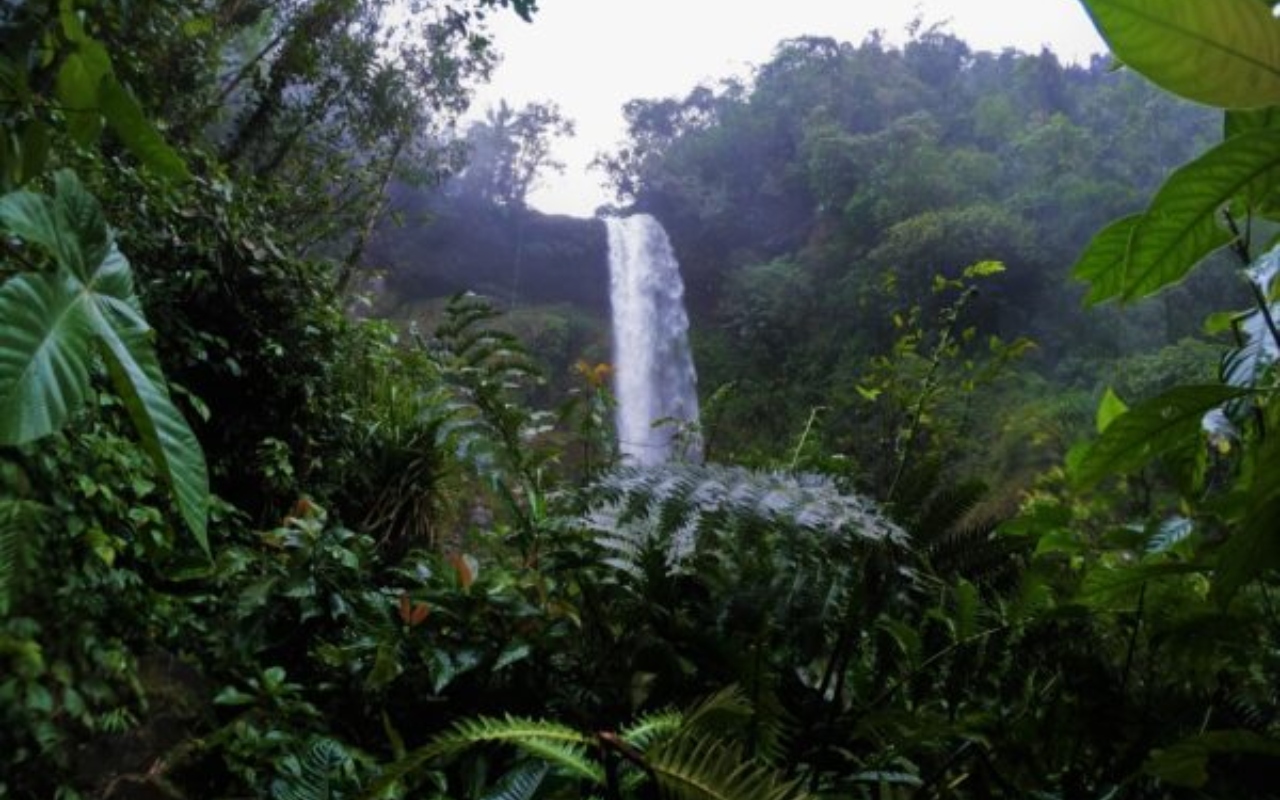
- Cloud forests: Home to orchids, bromeliads, and giant ferns.
- Medicinal and sacred plants: Such as coca, tobacco, and yopo, used by indigenous communities in their ancestral rituals.
- Cacao and coffee: Cultivated in the temperate zones, they represent an essential part of the local economy.
Culture and Traditions of the Colombian Massif
The Colombian Massif is also a cultural epicenter where different indigenous peoples and campesino communities coexist. Some of the cultural expressions you'll have the chance to discover include:
- Indigenous rituals: The Yanacona, Misak, and Nasa peoples maintain ancestral traditions rooted in the land and the cosmos.
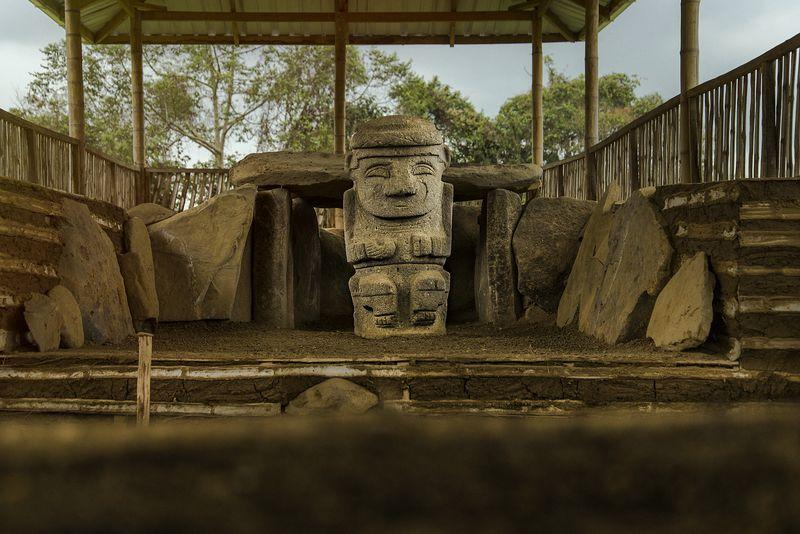
- Traditional festivals and fairs: Such as the Festival of San Agustín, where typical dances, music, and handicrafts are celebrated.
- Local gastronomy: Dishes such as roasted cuy, trout with patacones, and traditional corn-based beverages are part of the region's culinary identity.
- Handicrafts and textiles: Made using ancestral techniques and natural materials such as wool and iraca palm.
Explore the Colombian Massif with Rio Selva Travel
If you want to live an authentic experience exploring the Colombian Massif, Rio Selva Travel offers personalized trips that will connect you with the nature and culture of this magical region.
Keep exploring Putumayo and other wonders of Colombia through our articles! Discover more destinations, travel tips, and unique experiences on our blog.